
Application of Nephrin Antibodies in Kidney Transplantation
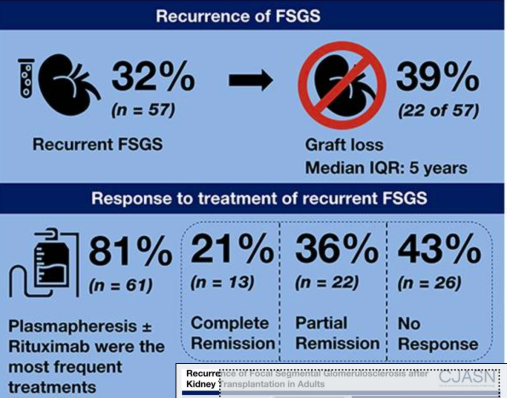
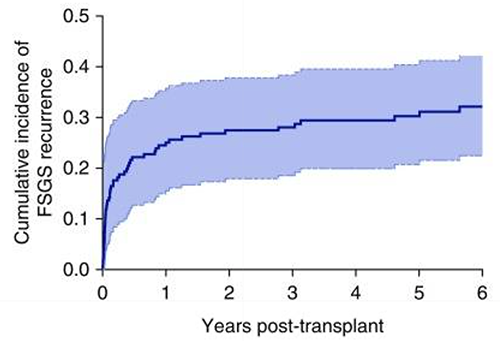
Recurrence of focal segmental glomerulosclerosis (FSGS) after renal transplantation is a major risk factor for renal allograft failure. Studies have shown that the overall recurrence rate of FSGS after kidney transplantation is as high as 32%, and approximately 39% of cases progress to graft failure within 5 years.
Recurrence of focal segmental glomerulosclerosis (FSGS) after renal transplantation is a major risk factor for renal allograft failure. Studies have shown that the overall recurrence rate of FSGS after kidney transplantation is as high as 32%, and approximately 39% of cases progress to graft failure within 5 years.
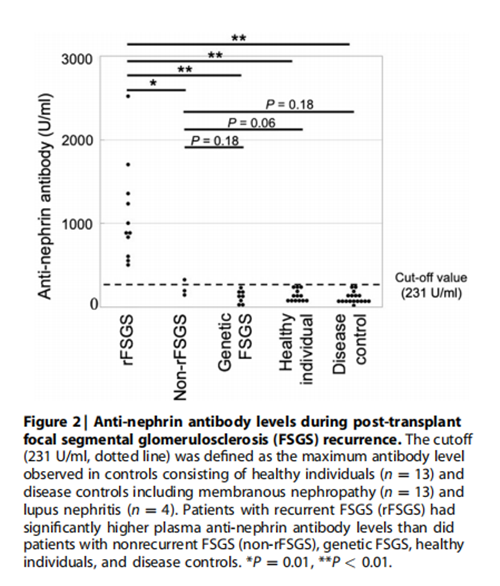
For kidney transplant recipients whose primary disease is FSGS, the risk of postoperative recurrence is particularly high and is closely related to significantly elevated levels of Nephrin antibodies. The study by Shirai et al. (which included 22 patients, including 8 hereditary and 14 non-hereditary FSGS) found that the recurrence rate among patients with non-hereditary FSGS was as high as 78.6% (11/14). The serum Nephrin antibody levels in these 11 relapsed patients were significantly higher than those in patients with non-relapsed FSGS (165 U/mL) and patients with hereditary FSGS (113 U/mL). Notably, elevated Nephrin antibody levels not only indicate the risk of FSGS recurrence but are also positively correlated with post-transplant proteinuria levels, with more severe proteinuria generally observed in patients with recurrence.
Previous studies have suggested that Nephrin antibodies may be a causative factor in podocyte damage. In a retrospective study by Batal et al., analyzing 38 patients with serum samples reserved before transplantation (median follow-up of 43 months), 21 developed diffuse podocytopathy (DP, which typically corresponds to FSGS recurrence) and 17 did not relapse. Preoperative Nephrin antibody testing showed: 30 cases were negative and 8 cases were positive. All 17 patients who did not relapse were antibody negative; All 8 patients with preoperative antibody-positive symptoms experienced postoperative FSGS recurrence.. Notably, 13 of the 21 patients with recurrence were negative for preoperative antibodies, suggesting that other factors for recurrence may exist in addition to Nephrin antibodies. This cohort analysis showed that preoperative nephrin antibody levels had a specificity and positive predictive value of 100% for predicting DP recurrence, but the sensitivity (38%) and negative predictive value (57%) were low.This strongly suggests that patients with high preoperative nephrin antibody levels are at extremely high risk for postoperative recurrence (100% in this cohort) and should be closely monitored for signs of recurrence of renal disease and should be considered for procedural nephrin antibody level monitoring.
Multiple international research teams have reported a variety of Nephrin antibody detection methods, including: immunoprecipitation using recombinant human glomerular basement membrane; signal-enhanced ELISA combined with recombinant human glomerular basement membrane; traditional ELISA; and methods of immunoprecipitation combined with ELISA to quantify precipitates, etc. Taken together, detection methods based on antibody capture and enrichment strategies can significantly improve the stability and reproducibility of Nephrin antibody detection, providing potential advantages for disease diagnosis, prognosis assessment and treatment guidance. Developed by Domestic AlloDx Super Nephrin Antibody Trap (SuperNAT) The second-generation highly sensitive detection solution relies on its antibody enrichment platform (SuperNAT technology) to effectively reduce detection background noise.Sensitivity increased by 53% compared to traditional ELISA methods.
Some original figures, videos and downloadable materials are provided in Chinese.