
ATC 2021: Perspectives on Donor-derived Cell-free DNA (Part 1)
At this year's American Transplantation Annual Conference (ATC 2021), donor-derived cfDNA (ddcfDNA), an emerging biomarker in the field of transplantation liquid biopsy, continues to become a research hotspot in clinical transplantation, and the number of documents has increased year by year (Figure 1). This year, ATC included a total of 49 ddcfDNA articles from 87 organ transplant centers around the world.
At this year's American Transplantation Annual Conference (ATC 2021), donor-derived cfDNA (ddcfDNA), an emerging biomarker in the field of transplantation liquid biopsy, continues to become a research hotspot in clinical transplantation, with the number of documents increasing year by year (Figure 1). This year, ATC included a total of 49 ddcfDNA research reports from 87 organ transplant centers around the world (Figure 2).
Classification of reports on ddcfDNA according to research types shows that at this year’s ATC meeting, rejection diagnosis is still the main current research direction, and new exploratory research types have begun to appear, including long-term risk prediction/prognosis, subclinical rejection screening, etc. (Figure 3). The total number of patients studied reached 9401, with a median of 208 [2-1092] and an average of 198, both of which were significantly increased compared with previous years.
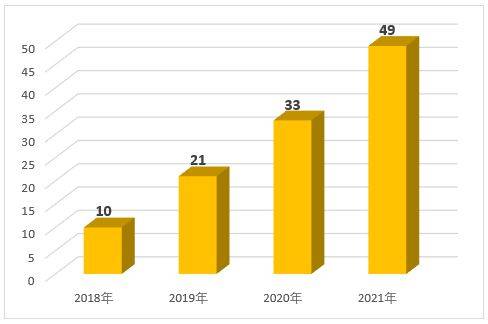
Figure 1: Changes in the number of free DNA research articles on ATC
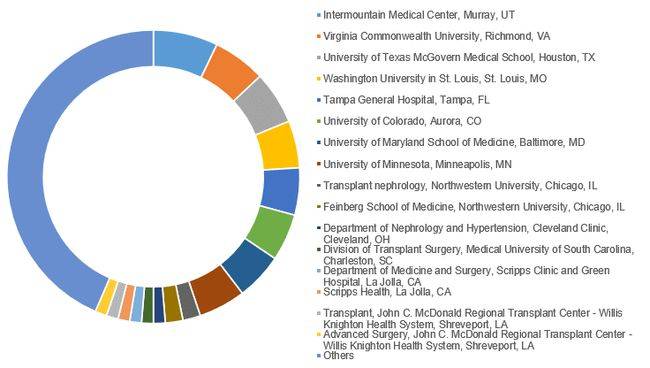
Figure 2: Ranking of transplant center research numbers
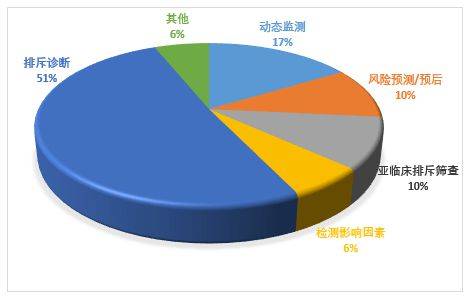
Figure 3: Classification of research types
Starting from the next issue, we will interpret the latest ATC research report from the two themes of long-term risk prediction/prognosis and subclinical rejection screening.
Some original figures, videos and downloadable materials are provided in Chinese.