
HUMAN
GENOME RESEQUENCING
Human gene resequencing
- Case:Genotyping and immunosuppressant drug metabolism
- Topic:A donor and recipient candidate gene association study of allograft loss in renal transplant recipients receiving a tacrolimus-based regimen.
- Magazine:《American Journal of Transplantation》
- Impact factor:IF=6.45
- Publication date:April 2018
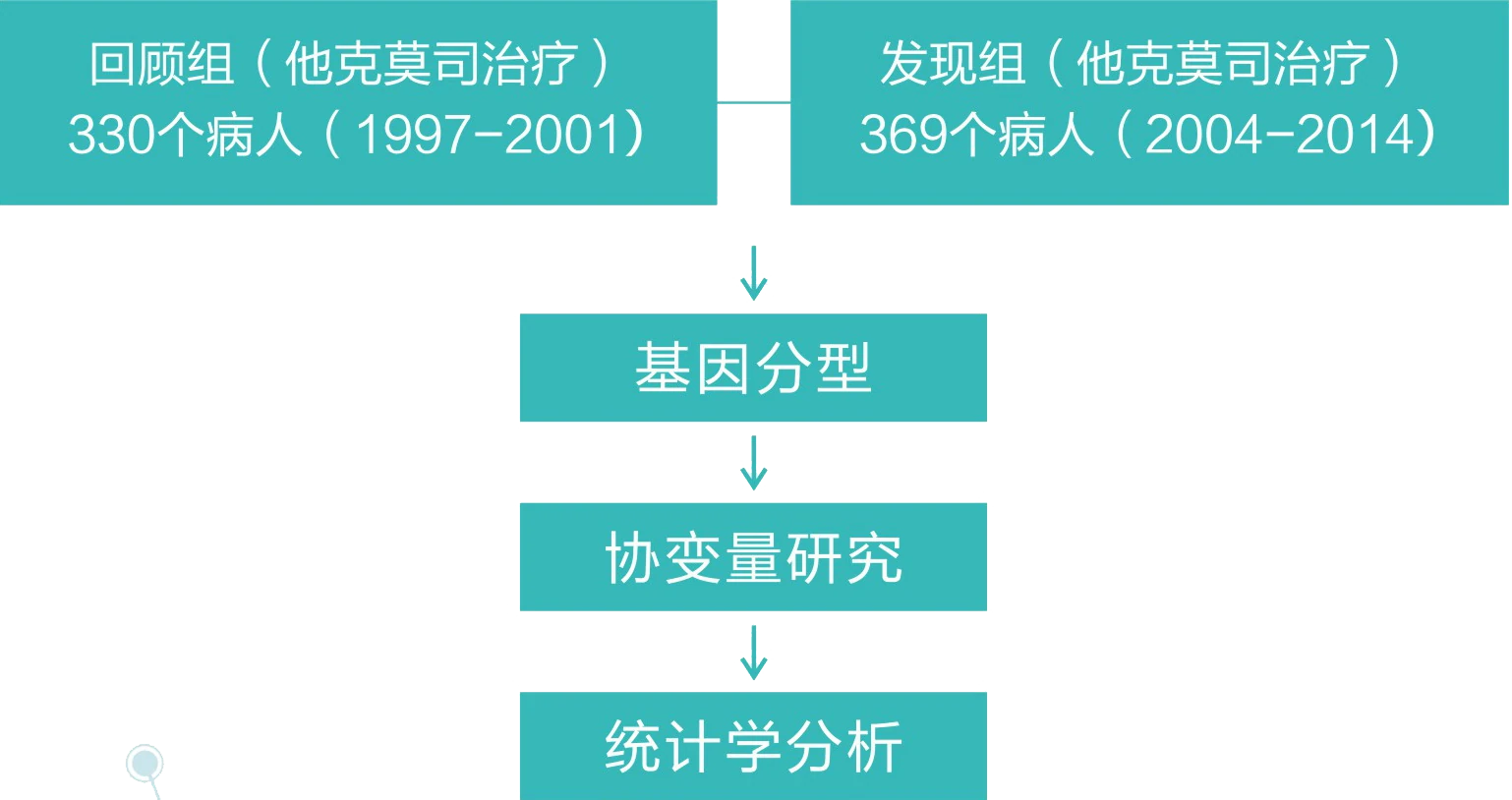
- Research ideas:This study collected 330 kidney transplant patients from different French transplant centers from 1997 to 2001 and 369 kidney transplant patients who took tacrolimus normally from 2004 to 2014. The Taqman allelic typing method was used to determine the genotypes of CYP3A4 rs35599367 and CYP3A5 rs776746 of the recipient, and the genotypes of ABCB1 rs1045642, ABCB1 rs1128503, ABCB1 rs2032582 and ABCB1 rs2229109 of the donor and recipient were simultaneously detected. Analyze and study the correlation between genotyping of these SNP sites and renal transplant failure.
-
Research results:
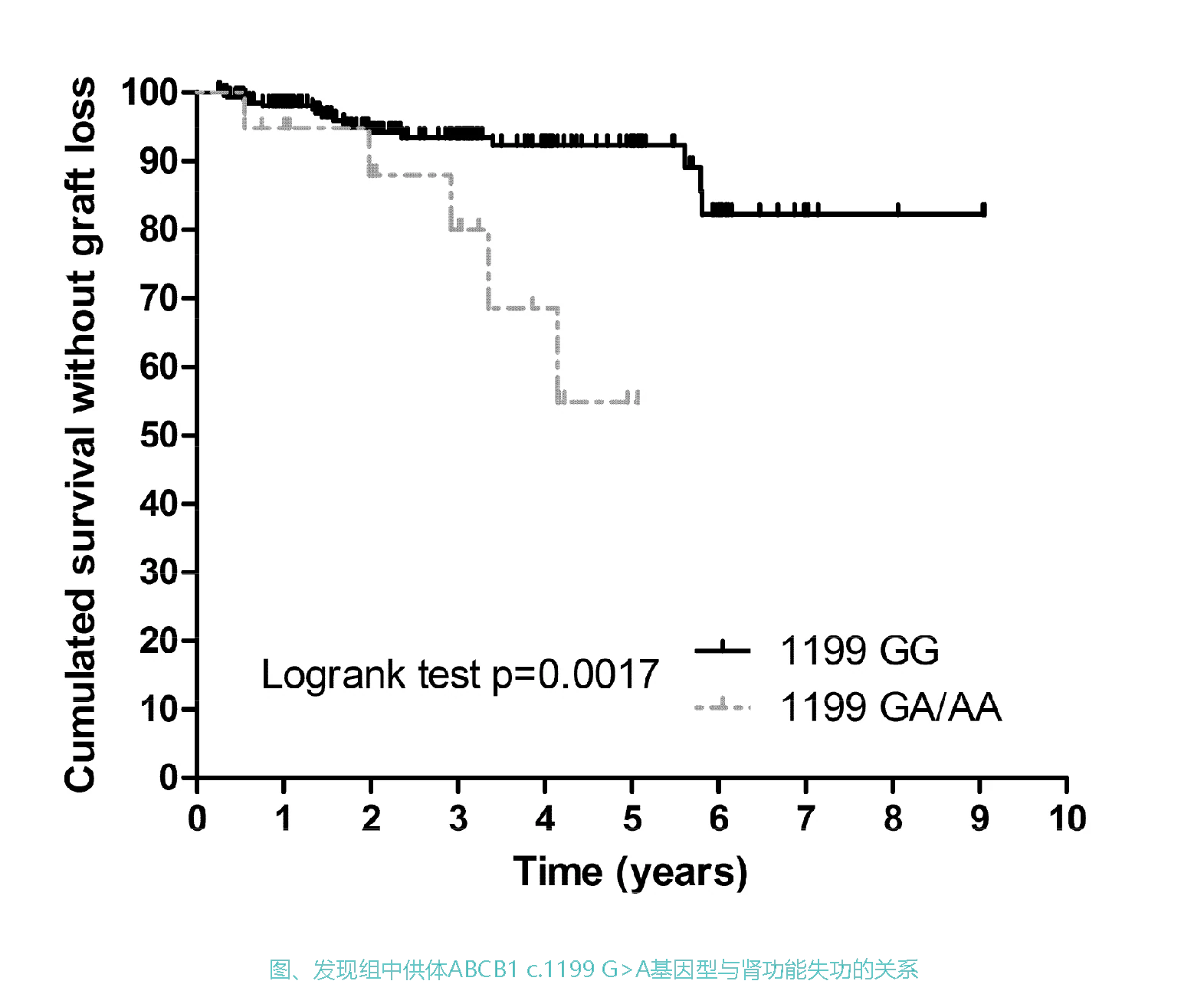
(1) In the discovery group data, patients with the ABCB1 c.1199 GA/AA genotype had a significantly higher rate of graft failure than patients with the ABCB1 c.1199 GG genotype.
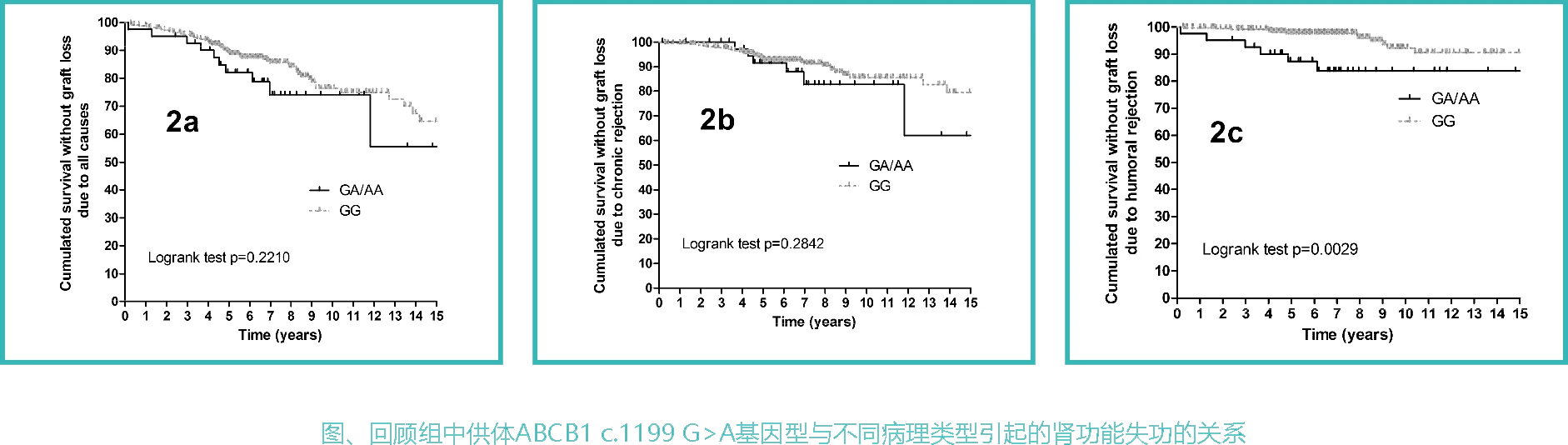
(2) Comparatively analyzed the correlation between all transplant kidney function losses in the review group (2a), the loss caused by chronic rejection (2b), the loss caused by acute rejection (2c) and the donor ABCB1 c.1199 G>A genotype. The study found that patients whose donors were of the ABCB1 c.1199 GA/AA genotype had a higher risk of graft failure than those whose donors were of the ABCB1 c.1199 GG genotype.

- Case:Whole-genome and targeted region capture sequencing reveal causes of renal impairment in DiGeorge syndrome
- Topic:Genetic Drivers of Kidney Defects in the DiGeorge Syndrome
- Magazine:《The New England Journal of Medicine》
- Impact factor:79.2
- Publication date:February 2017
- Research ideas:DiGeorge syndrome is a disease caused by microdeletions in the 22q11.2 region of the patient's genome. Organs involved include the heart, nervous system and kidneys. The cause of renal function defects has so far been unknown. This study used whole-genome sequencing technology to analyze 2,080 patients with congenital renal and urinary tract anomalies and 22,094 controls, and used whole-exome and target region sequencing technology to analyze 586 patients with congenital renal anomalies. Finally, it was found that a heterozygous deletion in the 22q11.2 region was related to renal function defects, and the key genes in the pathogenic region were identified. The article also conducted knock-out verification experiments in zebrafish and mice.
-
Research results:
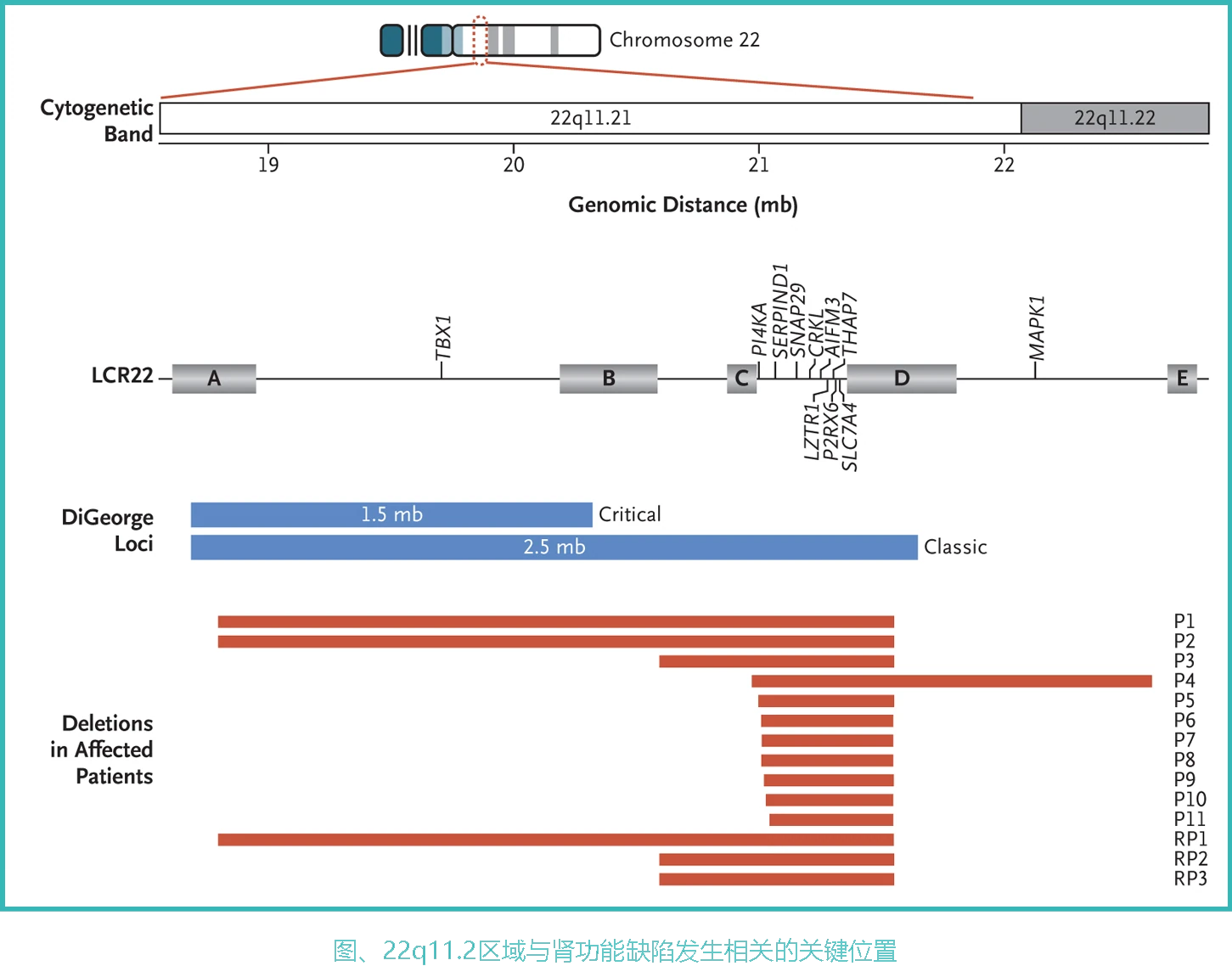
(1) The renal function defect in DiGeorge syndrome is due to a heterozygous deletion of a 370 kb region in the 22q11.2 region, which contains a total of 9 key genes;
(2) In the verification of gene knock-out in zebrafish and mice, the model animals showed similar symptoms of renal dysfunction.